Introduction to the Commandment
The Origin of the Commandment in the Bible
The instruction to “Honor your father and mother” first appears in the Bible in Exodus 20:12, where it is listed as the fifth commandment given to Moses on Mount Sinai. Unlike many of the other commandments that focus on one’s relationship with God, this one emphasizes human relationships, particularly the foundational bond between parents and children. It is also unique because it comes with a specific promise of blessing: long life and prosperity in the land God provides. This shows how deeply God values family structure and respect within it. The commandment doesn’t expire with age—it’s not just for little children but is a lifelong call to recognize, respect, and appreciate one’s parents.
Across the Old and New Testaments, this principle is reinforced repeatedly. Jesus, Paul, and other spiritual leaders highlighted its importance as a guiding light for how societies should function. When families thrive in respect and honor, entire communities flourish. But when honor breaks down, so does unity and moral stability. The command to honor parents serves as a bridge: it connects love for God with love for people, starting with the closest relationships we have.
Why This Principle is Universal
While the commandment comes from the Judeo-Christian tradition, the principle of honoring one’s parents is not exclusive to the Bible. Nearly every culture across the world teaches some version of this truth. In Asian traditions, filial piety is considered a sacred duty. In African societies, elders are revered as the wisdom keepers of the community. In Western traditions, respect for parents is seen as the foundation for teaching discipline, ethics, and morality to future generations.
What makes this principle universal is its timeless relevance. Parents are the first people we depend on, the ones who shape our worldview, and the ones who sacrifice greatly for our well-being. To honor them is not just an act of kindness; it’s a recognition of the order of life itself. Even in modern times, with shifting family dynamics and independent lifestyles, this truth continues to hold power. After all, who we are today is built on the shoulders of those who came before us.
The Meaning of Honoring Parents
What “Honor” Truly Means
The word “honor” is much deeper than simply showing obedience or following instructions. In its original Hebrew context, the word used is kabed, which means “to give weight” or “to treat as heavy or significant.” To honor parents, then, is to treat them as people of great value and importance in your life. It is about acknowledging their sacrifices, respecting their position, and giving due recognition to the role they play.
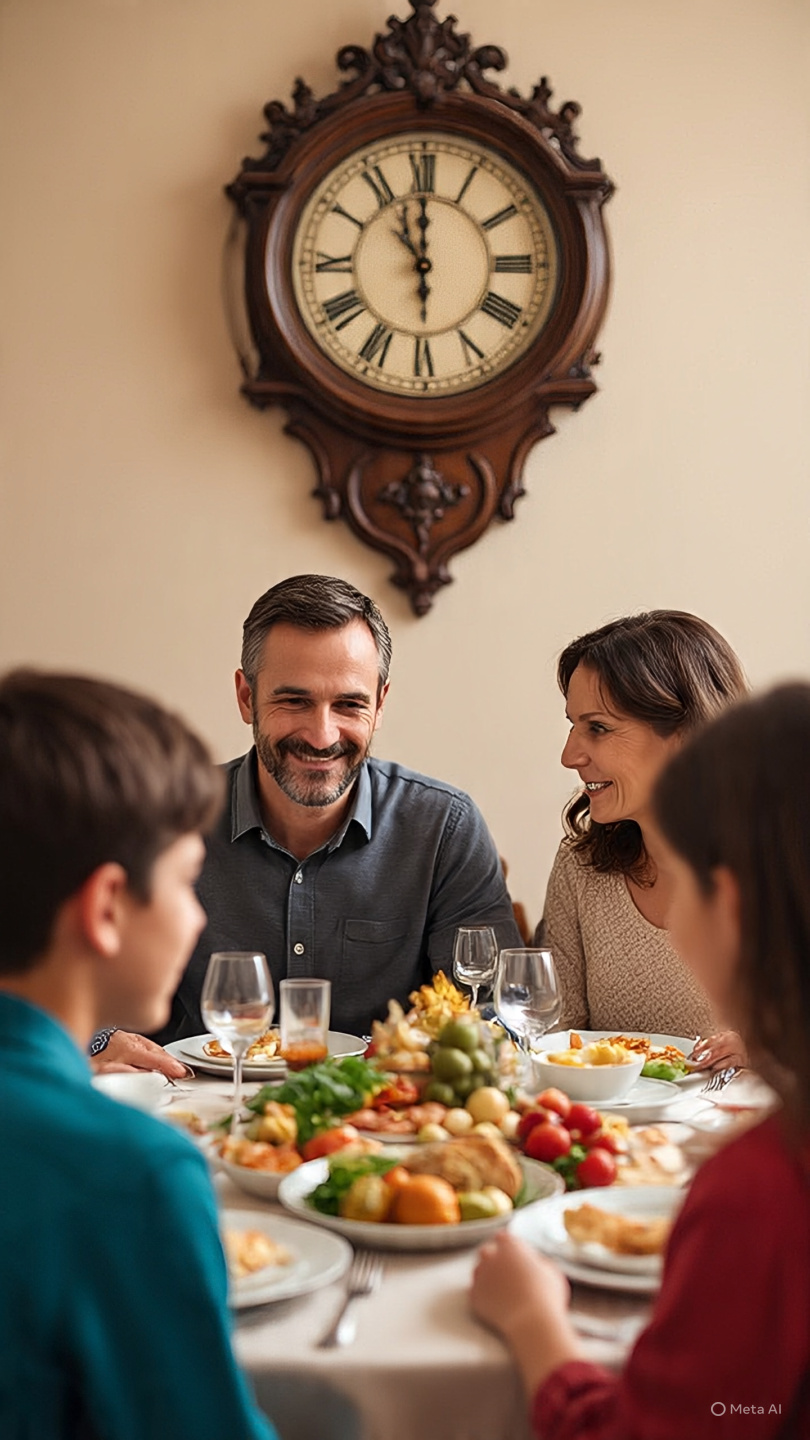
Honoring can be expressed in words, actions, and attitudes. It’s not just about saying “thank you” or remembering birthdays, but about cultivating a daily posture of respect and appreciation. It means listening attentively when they speak, treating them kindly, and speaking well of them to others. Honor is also reflected in how we live—choosing lifestyles and values that would make our parents proud, even if they are not physically present.
The Difference Between Honoring and Obeying
Many people confuse honoring with blind obedience. While children are indeed called to obey their parents while under their care, obedience is not the same as honor. Obedience is temporary, but honor is lifelong. As adults, we may no longer be under our parents’ authority, but we are still called to honor them. For example, an adult may respectfully disagree with a parent’s opinion, but still speak kindly and treat them with dignity.
This distinction is especially important when parents have flaws, make mistakes, or even fail in their responsibilities. Obedience may not always be possible, especially if parents encourage harmful behaviors or unethical choices. But honor can still be shown—by treating them with respect, maintaining boundaries without hostility, and choosing forgiveness over bitterness. In this sense, honor is about heart posture rather than mere rule-following.
Biblical Foundations of Honoring Parents
The Fifth Commandment in Exodus 20:12
The commandment appears in both Exodus 20:12 and Deuteronomy 5:16, where God says: “Honor your father and your mother, that your days may be long in the land that the Lord your God is giving you.” Unlike other commandments that simply give directives, this one includes a promise—long life and blessing. It highlights the importance of family relationships as the bedrock of social and spiritual order.
In Hebrew society, the family was central to faith and survival. Parents were entrusted with teaching children God’s laws, passing down traditions, and guiding them in wisdom. To dishonor parents was not just a personal failure but a communal one, threatening the entire stability of the people. This shows why God placed such weight on this commandment—it was about more than family ties; it was about sustaining a covenant community.
Teachings of Jesus on Honoring Parents
Jesus reinforced the commandment in several passages. In Matthew 15:3-6, He rebuked the Pharisees for nullifying God’s law by allowing people to neglect their parents under the guise of religious offerings. He made it clear that honoring parents is not optional but a core part of following God. Even in His final moments on the cross, Jesus honored His mother by ensuring her care, entrusting her to the disciple John (John 19:26-27).
Through His example, Jesus showed that honoring parents goes beyond words—it’s about action, provision, and responsibility. His teachings challenge us to rethink how seriously we take this command in our own lives.
Apostolic Teachings in the New Testament
The apostles continued to highlight this principle in their letters. Paul in Ephesians 6:1-3 directly repeats the commandment and calls it the “first commandment with a promise.” He urges children to obey their parents in the Lord, recognizing this as part of living a righteous life. Similarly, in Colossians 3:20, Paul emphasizes obedience for children, but the larger context points toward lifelong respect and honor.
These New Testament writings confirm that the principle of honoring parents was not limited to the Old Testament law but is a continuing expectation for believers. It reflects God’s design for relationships—where love, respect, and honor flow from the home outward to society.
The Rewards of Honoring Parents
The Promise of Long Life and Prosperity
The Bible links honoring parents with a promise: a longer life and blessings. This promise is not a mere superstition but a principle deeply rooted in the structure of human existence. Families that function with respect and honor naturally enjoy healthier relationships, emotional stability, and stronger community ties, all of which contribute to well-being and longevity.
From a practical perspective, children who grow up learning respect for parents often carry those values into other relationships—marriages, friendships, and careers. This foundation of honor and respect leads to healthier decision-making and stronger networks of support, which in turn foster stability and success.
Emotional and Spiritual Blessings
Beyond material or physical blessings, honoring parents brings deep emotional and spiritual rewards. It cultivates peace of mind, reduces conflict, and creates an environment where love and trust thrive. Spiritually, it aligns us with God’s will and allows us to experience His blessings more fully.
When we honor our parents, we also honor the Creator who placed us in our families. This act of obedience becomes a spiritual offering, a form of worship that goes beyond rituals. The emotional fulfillment that comes from seeing our parents happy, respected, and cared for is a reward that no wealth can replace.
Strengthening Family Bonds
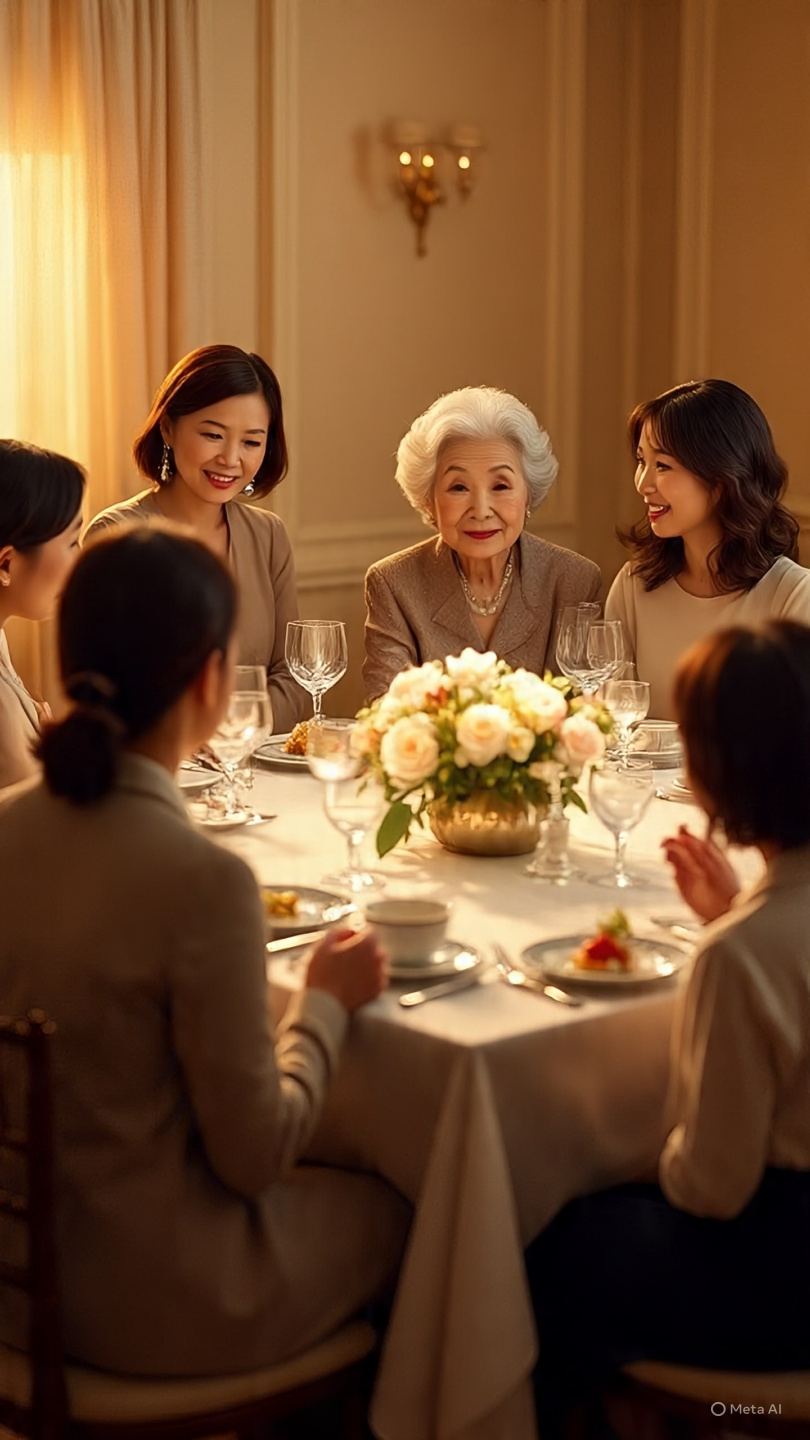
Honoring parents also has the natural effect of strengthening family bonds. When children respect their parents, siblings often follow, creating a culture of mutual honor within the household. This builds a family legacy where honor and respect are passed down to future generations.
Strong families create strong societies. A nation where children respect parents, and parents nurture children, becomes one where order, peace, and stability can thrive. In this sense, the promise of long life can also be seen collectively—a blessing for entire communities and nations.
Practical Ways to Honor Your Father and Mother
Respectful Communication
One of the most immediate and practical ways to honor parents is through the way we speak to them. Tone, choice of words, and willingness to listen all reflect honor. Even in disagreements, respect can be shown by avoiding harsh language, raising our voices, or dismissing their feelings.
Simple acts such as calling regularly, expressing gratitude, or actively listening when they share stories go a long way in making parents feel valued. Respectful communication is not about avoiding truth but about speaking truth in love.
Providing Care in Their Old Age
As parents age, the responsibility often shifts to children to provide care, support, and companionship. This is a natural and beautiful way to return the love and sacrifices they gave in raising us. Whether it’s helping with daily needs, offering financial support, or simply being present, these acts reflect true honor.
Caring for aging parents can be challenging, but it is also deeply rewarding. It teaches patience, compassion, and humility, while also giving children the chance to create meaningful memories that last a lifetime.
Living a Life that Reflects Their Values
Perhaps one of the most profound ways to honor parents is by living out the values and principles they instilled in us. Even if we don’t follow every tradition or expectation, embodying the core lessons of integrity, kindness, and resilience reflects their lasting impact.
Parents feel honored when they see their children thriving, making wise choices, and contributing positively to the world. Living a life of purpose, rooted in the good teachings of our parents, is a legacy that honors them more than words ever could.
Honoring Parents in Modern Times
The Challenge of Generational Gaps
In today’s fast-paced, technology-driven world, many families experience tension between generations. Parents may have grown up in a time of different values, traditions, and societal expectations, while their children are shaped by modern ideologies, digital culture, and global influences. This gap often leads to misunderstandings. Parents might perceive their children as rebellious or disrespectful, while children may see their parents as outdated or overly strict.
Yet, the principle of honoring parents doesn’t change with culture or technology. It calls for patience and empathy. Children can make an effort to understand where their parents come from, the struggles they endured, and why they hold certain beliefs. At the same time, parents should be open to learning from younger generations. Bridging this gap requires active listening and humility from both sides. Honor is not about blindly accepting everything but about valuing the person behind the viewpoint.
Balancing Independence with Respect
As children grow into adults, independence becomes a natural and necessary step. However, independence should not translate into dishonor. It is possible to make personal life decisions—regarding career, marriage, or lifestyle—while still treating parents with dignity and respect. For instance, one may choose a different path than their parents expected but can communicate their decisions respectfully rather than dismissively.
True honor lies in acknowledging parents’ wisdom while confidently living one’s own life. This balance avoids two extremes: living only to please parents or completely disregarding their role. Instead, it fosters a relationship where mutual respect and love coexist with independence.
Honoring Parents Across Different Cultures
The concept of honoring parents takes on unique expressions in different cultures. In many Asian societies, caring for parents in their old age is seen as an unquestionable duty. In African communities, elders hold a position of authority and are often consulted for guidance. In Western cultures, independence is more valued, but respect and care are still important, often expressed through financial support, visits, or celebrating family traditions.
Regardless of cultural differences, the underlying principle remains the same: parents deserve honor for their role in giving life, nurturing, and guiding their children. What varies is the way that honor is shown—whether through obedience, financial provision, caregiving, or verbal respect. Learning from different cultures can enrich our understanding of how to honor parents meaningfully in our own lives.

When Honoring Becomes Difficult
Dealing with Broken Relationships
Not everyone grows up in a loving, supportive household. For some, honoring parents is extremely challenging because of neglect, conflict, or strained relationships. In such cases, it is essential to remember that honoring does not mean ignoring pain or pretending everything is perfect. Instead, it can mean choosing forgiveness over bitterness, respect over hostility, and peace over revenge.
Broken relationships can be slowly rebuilt with patience, counseling, and open communication. Even if reconciliation seems impossible, choosing to honor parents internally—through prayer, forgiveness, or by avoiding hateful speech—can bring healing. The act of honor is as much about the child’s heart as it is about the parents’ actions.
Honoring Parents Who Have Caused Hurt
Some parents fail deeply, leaving wounds through abuse, abandonment, or neglect. Honoring such parents does not mean approving of their actions or re-entering harmful relationships. Instead, honor in these cases may look like acknowledging their humanity, offering forgiveness without condoning sin, and refusing to let resentment control one’s life.
Boundaries are necessary here. One can maintain distance for safety and emotional health while still honoring parents in prayer, in words spoken about them, and in the way they live a life of integrity. This type of honor is a higher calling—choosing dignity and grace in situations where bitterness would be easier.
Setting Healthy Boundaries with Respect
Honor does not erase the need for boundaries. Some parents may be controlling, manipulative, or unwilling to let their children grow independently. In these cases, it’s important to set healthy limits without dishonor. This might mean limiting certain conversations, reducing contact when necessary, or respectfully saying “no” to unreasonable demands.
Setting boundaries is not dishonor—it is a form of respect for oneself and even for the parent, as it prevents further conflict or resentment. The key is to set limits with love, not hostility. Speaking firmly but kindly, and making decisions rooted in wisdom rather than anger, ensures that honor remains intact while boundaries protect both sides.
The Role of Gratitude in Honoring Parents
Practicing Daily Thankfulness
Gratitude is the heart of honoring parents. It is about recognizing that, regardless of flaws, parents gave us life and invested time, effort, and resources into our upbringing. Practicing daily thankfulness can be as simple as sending a message of appreciation, writing a heartfelt letter, or recalling childhood memories with affection.
Even when parents are no longer present, gratitude can be expressed through prayers, storytelling, or acts of kindness inspired by their influence. Gratitude shifts the focus from what parents may have lacked to what they have given, allowing honor to flow naturally.
Recognizing the Sacrifices of Parents
Behind every parent-child relationship lies countless unseen sacrifices—nights of lost sleep, financial struggles, and personal dreams set aside for the sake of the children. Recognizing these sacrifices is a profound way to honor parents. Instead of taking their efforts for granted, children can make it a habit to acknowledge and appreciate the struggles their parents endured.
When parents feel that their sacrifices are noticed and valued, it strengthens their sense of purpose and brings immense emotional satisfaction. A simple “thank you” or acknowledgment of their efforts can mean more to a parent than material gifts.
Honoring Parents After Their Passing
Keeping Their Legacy Alive
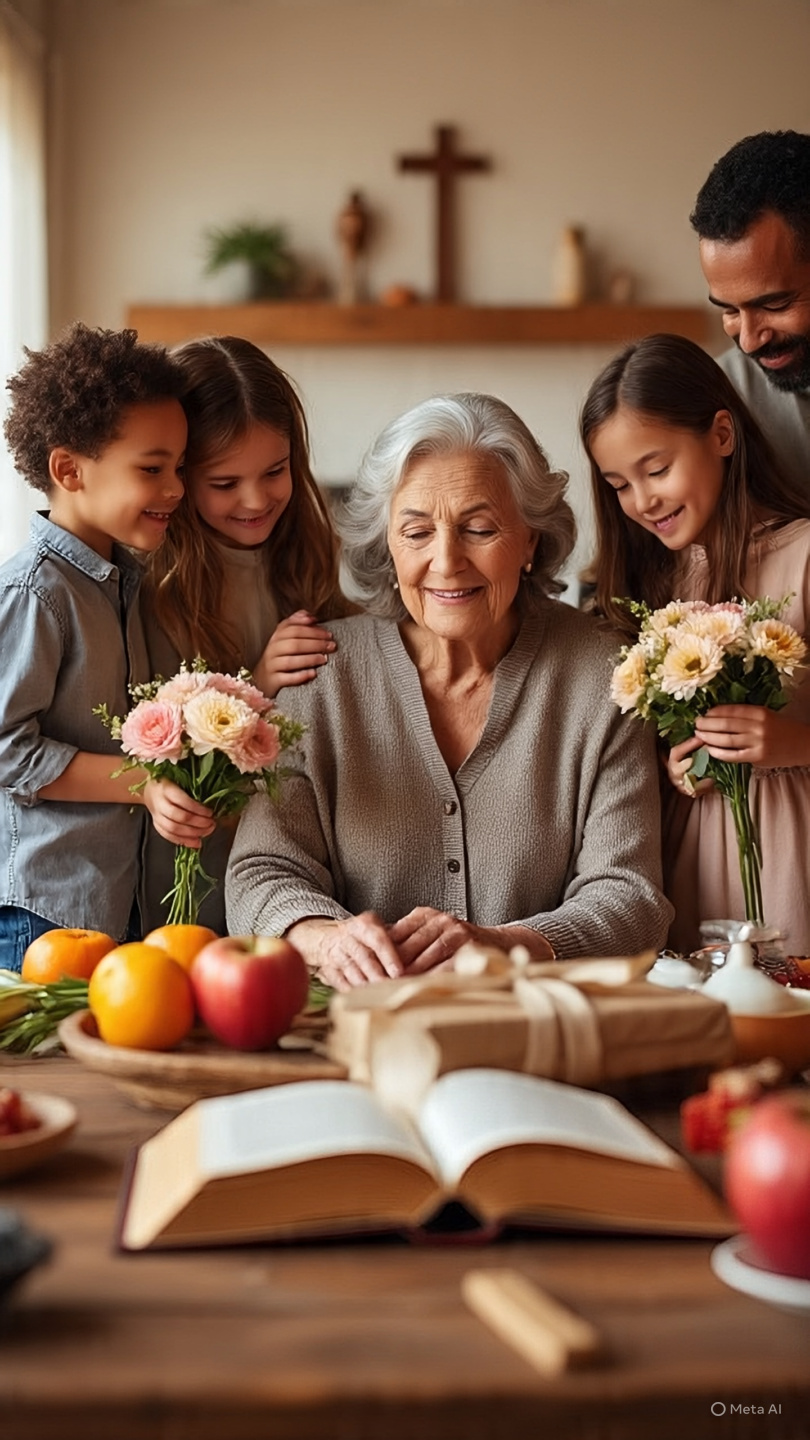
Honoring parents doesn’t end when they pass away. One powerful way to continue showing honor is by keeping their legacy alive. This can be done through storytelling, preserving family traditions, or teaching grandchildren the values that parents instilled. By passing down wisdom, faith, and cultural heritage, children ensure that their parents’ influence continues to shape generations.
Respecting Their Memories and Teachings
Honoring deceased parents also means respecting their memory. This might include visiting their resting place, celebrating their birthdays, or reflecting on their teachings during important life events. It could also mean living in a way that reflects the lessons they taught, thereby carrying their influence forward.
Parents live on through the values and memories they leave behind. To respect their memory is to acknowledge their role in shaping who we are, even when they are no longer physically present. This not only honors them but also keeps their presence alive within the family.
Teaching the Next Generation to Honor Parents
Modeling Respect and Love
Children learn more from what they see than from what they are told. Parents who want their children to honor them must model honor in their own actions. This includes showing respect to their own parents, treating others kindly, and creating a home culture where love and dignity are non-negotiable values. For example, if children witness their parents caring for grandparents with patience and kindness, they will naturally adopt similar attitudes.
Modeling respect also means handling disagreements constructively. When children see parents resolving conflicts calmly instead of with shouting or resentment, they learn that honor is possible even in difficult circumstances. Respect is contagious—it spreads through example, not lectures. Families that prioritize modeling honor prepare the next generation to carry this principle forward with sincerity.
Creating Traditions That Reinforce Honor
Family traditions play a significant role in keeping honor alive. Simple practices such as family meals, celebrating parents’ anniversaries, or storytelling nights create opportunities for children to express appreciation and for parents to pass down wisdom. Religious traditions—like praying for parents, reading scriptures together, or celebrating cultural festivals—also reinforce the importance of honoring elders.
These traditions don’t have to be elaborate. Even regular phone calls, thank-you notes, or an annual family reunion can keep honor at the forefront. The key is consistency. When honor becomes part of the family rhythm, it shapes children’s values naturally. Parents who invest in such traditions leave behind not only memories but also a lifestyle that teaches honor beyond words.
The Cultural and Religious Significance Worldwide
Honoring Parents in Christianity
Christianity places honoring parents at the heart of faith practice. From the Ten Commandments to Jesus’ teachings, the emphasis is clear: respect for parents is inseparable from devotion to God. Christian families often express this through prayer, caregiving, and living out biblical values. Many churches encourage children to support their parents spiritually and practically, creating a culture of mutual respect within the community.
In Christian theology, the family is seen as a reflection of God’s relationship with His people. Therefore, honoring parents is not just a social duty but a spiritual act that strengthens faith and aligns believers with God’s design for human relationships.
Honoring Parents in Other World Religions
Beyond Christianity, almost every major religion upholds the principle of honoring parents. In Islam, obedience and respect toward parents are second only to devotion to God. The Qur’an emphasizes kindness to parents, especially in their old age. In Hinduism, parents are regarded as earthly gods (Pitru Devo Bhava), and caring for them is considered a sacred duty. In Buddhism, filial piety is a virtue that demonstrates gratitude and compassion.
Even outside formal religions, indigenous and traditional cultures around the world hold deep respect for elders, seeing them as keepers of wisdom and tradition. These shared values show that honoring parents is a universal truth, deeply rooted in human conscience.
Universal Morality Beyond Religion
Interestingly, even in secular societies where religion plays a smaller role, honoring parents remains a moral expectation. Social systems, laws, and cultural norms often encourage children to care for aging parents, reflecting the universal recognition of family bonds. Whether grounded in faith, tradition, or social ethics, the idea of honoring parents transcends cultural differences—it is a principle that unites humanity.
The Psychological Impact of Honoring Parents
Building Emotional Stability
Psychologists often emphasize the importance of parent-child relationships in shaping emotional health. When children learn to honor parents, they develop a sense of security, belonging, and identity. Respecting and appreciating parents helps reduce conflict and tension, which creates a nurturing environment where children can flourish emotionally.
For adults, continuing to honor parents provides emotional grounding. It helps individuals feel connected to their roots, reinforcing self-worth and reducing feelings of isolation. Families where honor is valued tend to foster healthier communication, which in turn promotes emotional resilience.
Strengthening Identity and Belonging
Knowing where we come from is essential to understanding who we are. Honoring parents helps reinforce this identity. By respecting their teachings, traditions, and sacrifices, children gain a deeper sense of belonging within their family lineage. This continuity strengthens confidence and self-esteem.
Furthermore, honoring parents cultivates empathy. When children learn to value their parents’ struggles and sacrifices, they become more compassionate adults. This compassion extends beyond the family, positively shaping how they interact with society.
Common Misconceptions About Honoring Parents
Honor Does Not Mean Blind Obedience
One of the most common misconceptions is that honoring parents requires blind obedience in every situation. In reality, honor is not about submission without question. Adults, especially, are not obligated to obey parents in matters where personal responsibility and independence come into play. What honor requires is respect—acknowledging parents’ wisdom, listening sincerely, and disagreeing respectfully when necessary.
Blind obedience can sometimes lead to unhealthy dynamics, particularly if parents misuse authority. In such cases, it’s important to remember that honor does not mean enabling harmful behavior. True honor balances respect with wisdom, ensuring that integrity and personal values remain intact.
Honor Is Not Dependent on Perfect Parents
Another misconception is that only “good parents” deserve honor. While it’s true that honoring is easier when parents are loving and supportive, the command to honor is not conditional. Every parent, regardless of their flaws, is worthy of basic respect because of the role they played in giving life.
This doesn’t mean excusing harmful actions or ignoring pain. Instead, it means choosing to act with dignity and respect, even if boundaries are necessary. Honor, at its core, reflects the child’s character more than the parent’s actions.
Conclusion: A Lifelong Call to Honor
Honoring your father and mother is more than an ancient commandment—it’s a timeless principle that continues to shape families, communities, and societies today. It begins with gratitude, grows through respect, and extends across cultures, generations, and even after parents have passed away.
Whether parents were nurturing or flawed, present or absent, the call to honor remains a personal responsibility. Honor does not require blind obedience or perfection, but it does require humility, respect, and love. It is an act that strengthens family bonds, provides emotional stability, and reflects God’s design for human relationships.
In a world that often prioritizes independence and individualism, remembering to honor parents grounds us in gratitude and reminds us of the shoulders upon which we stand. It is a lifelong calling—one that blesses not only our parents but also ourselves and the generations that follow.
FAQs
1. Does honoring parents mean always agreeing with them?
No. Honoring parents is about respect, not blind agreement. You can disagree while still treating them with dignity and kindness.
2. How can I honor parents who abandoned me?
Honoring does not mean ignoring pain. It may look like choosing forgiveness, speaking respectfully about them, or praying for them—even from a distance.
3. Is it possible to honor parents without a relationship?
Yes. Honor can be shown through gratitude for life, avoiding negative speech, and living a life that reflects dignity, even if direct contact isn’t possible.
4. How do children today balance tradition and independence?
By communicating openly, acknowledging parents’ wisdom, and making personal choices respectfully. Balance is found in independence with honor.
5. What is the ultimate benefit of honoring parents?
It brings blessings of peace, stronger family bonds, emotional stability, and spiritual fulfillment, often extending into long-lasting generational impact.